
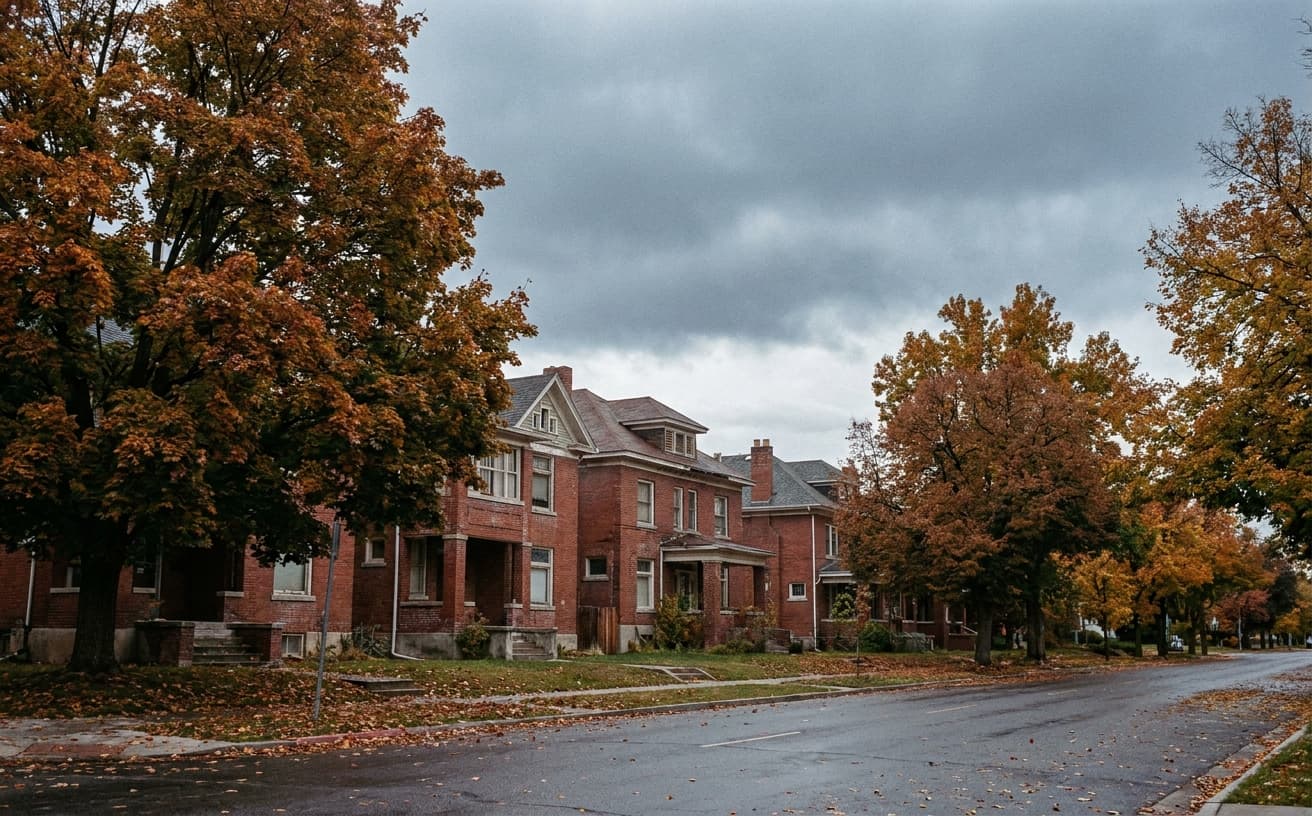
Salt Lake City
Downtown condo associations, the Avenues, Sugar House and 9th & 9th townhomes. Older bones, urban density, mixed-use complexity.
We're a family-owned HOA management firm based in Cottonwood Heights, serving boards from Salt Lake City to Draper and across every suburb in between. The valley is our home — we know the terrain, the seasonal cycles, the vendors who answer the phone, and the cost realities that shape every decent budget here.
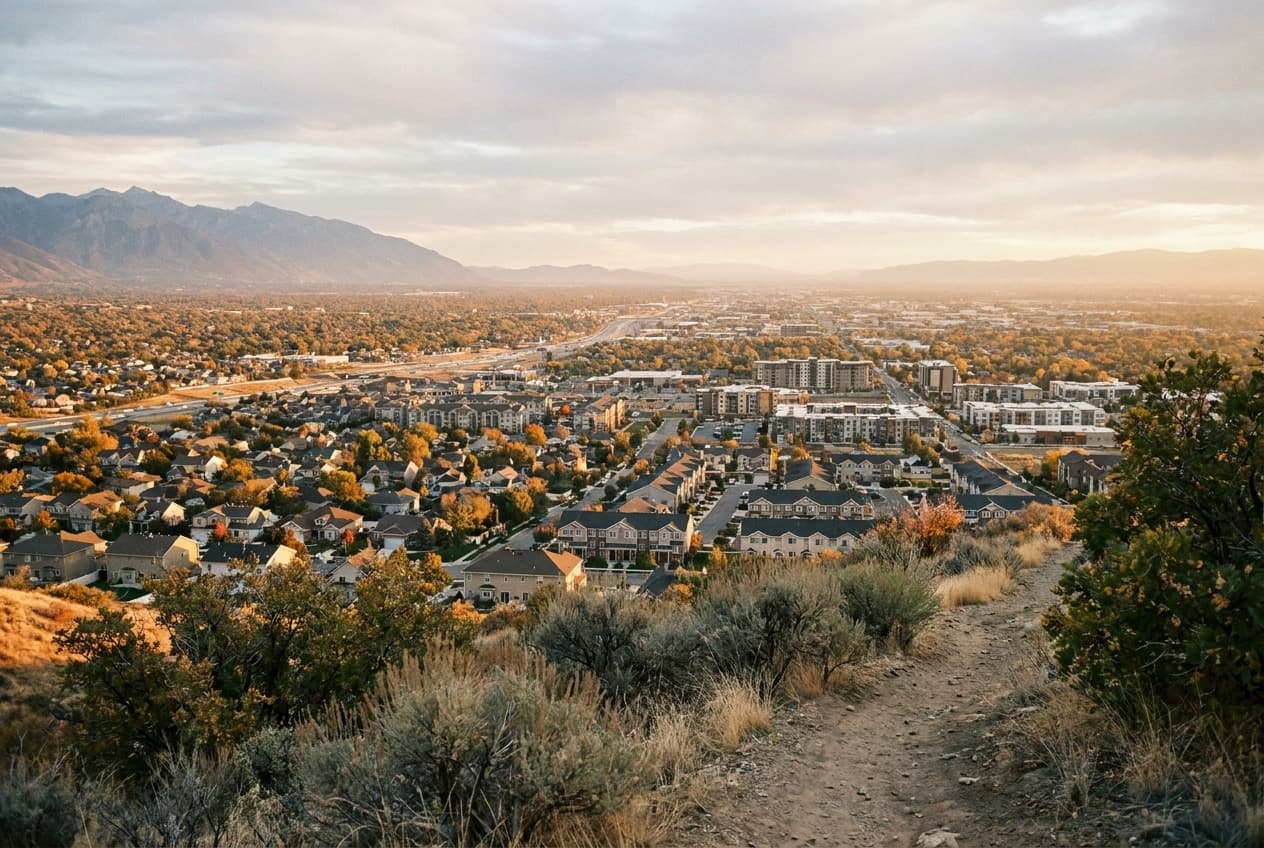
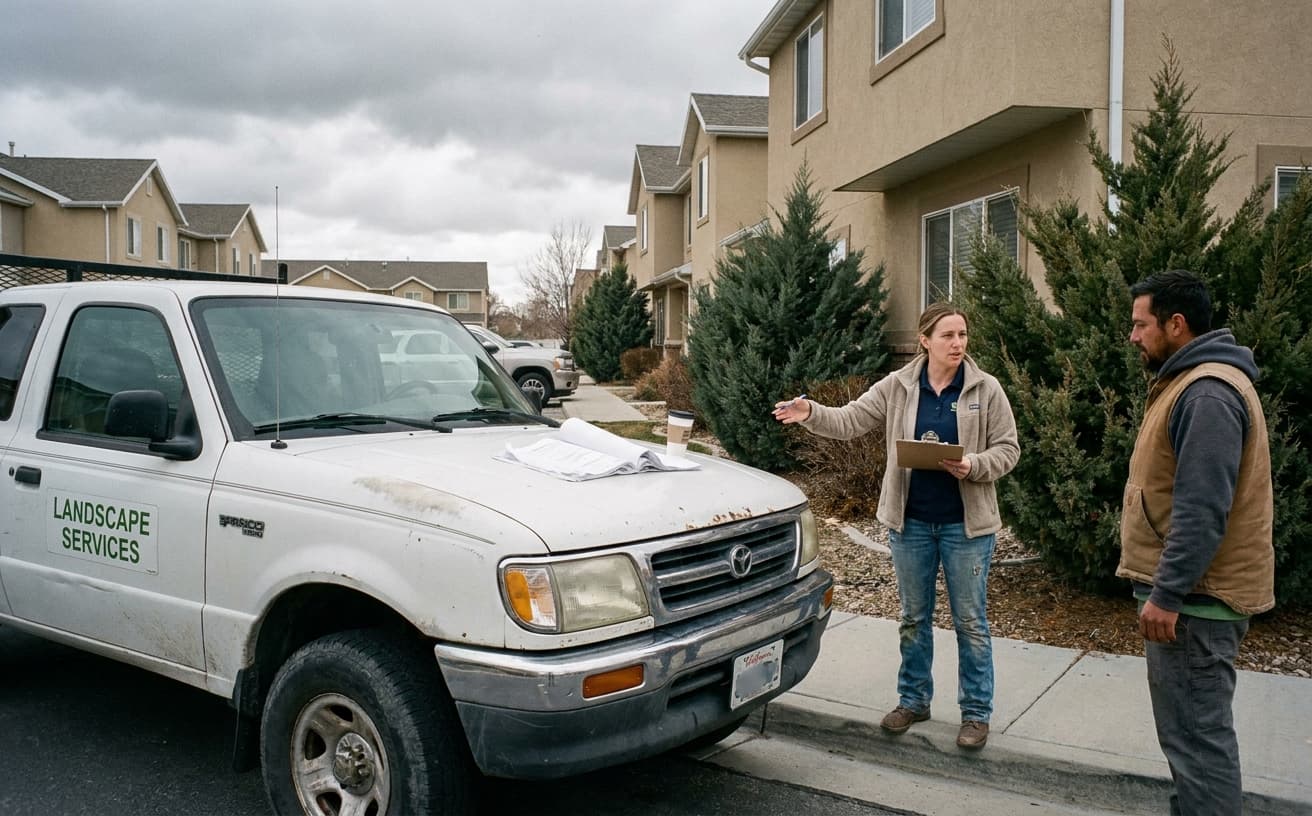
The Salt Lake Valley has the densest concentration of HOAs in Utah. Roughly two-thirds of new housing built across Salt Lake County in the last decade came with an association attached — condos in downtown Salt Lake City, townhomes lining the corridors of Sandy and Midvale, master-planned subdivisions pushing south into Draper, Riverton, Bluffdale, and Herriman. Most of those communities are still in their first reserve cycle. The first real test of how their dues structure was set is happening now.
Vendor costs across the valley moved up sharply between 2022 and 2025. Landscape contracts that quoted $4,800 a month for a mid-sized PUD in 2021 are quoting $6,400 today. Snow removal, asphalt sealing, painting, irrigation repairs — all up. Reserve studies done in 2018 with a 3% inflation assumption are understated; the real run rate has been closer to 6% for the line items that drive HOA spending. Boards that raised dues 2% a year through that period are now running on the wrong side of their reserve plan and don't always know it yet.
What this means in practice: the Salt Lake Valley boards that are best positioned in 2026 are the ones with current reserve studies, defensible budgets tied to actual vendor quotes, and financial reporting that's clean enough to support a special assessment conversation if it comes to that. The boards that are most stressed are the ones still relying on a treasurer with a personal QuickBooks file, a binder of paper invoices, and a vendor list inherited from whoever ran the association in 2014. We see both, every week.
Every association we take on follows the same three-stage pattern. The work is straightforward; the discipline is what separates a community that runs well from one that drifts.
We sit down with the board, read the CC&Rs and bylaws, walk the property, and pull the last three years of financials. The output is a written assessment — what's working, what isn't, what we'd change in the first 90 days. No proposal until we've done the homework.
Document handoff, financial migration, vendor introductions, homeowner communication. We run the new system in parallel with whatever you have today so there's no service gap. By day 30 the books are clean, the website is current, the vendor file is scanned, and the first board meeting under new management has happened.
Monthly close on the 10th. Quarterly board package. Annual budget process that starts in August, not November. Vendor walks every spring and fall. A real human answering the phone. The work doesn't go quiet between board meetings — that's where most management firms lose communities, and it's where we earn the renewal.
Every city in the Salt Lake Valley has its own version of the HOA — different density, different vendors, different history. Here's where we work and what each market looks like up close.
Downtown condo associations, the Avenues, Sugar House and 9th & 9th townhomes. Older bones, urban density, mixed-use complexity.
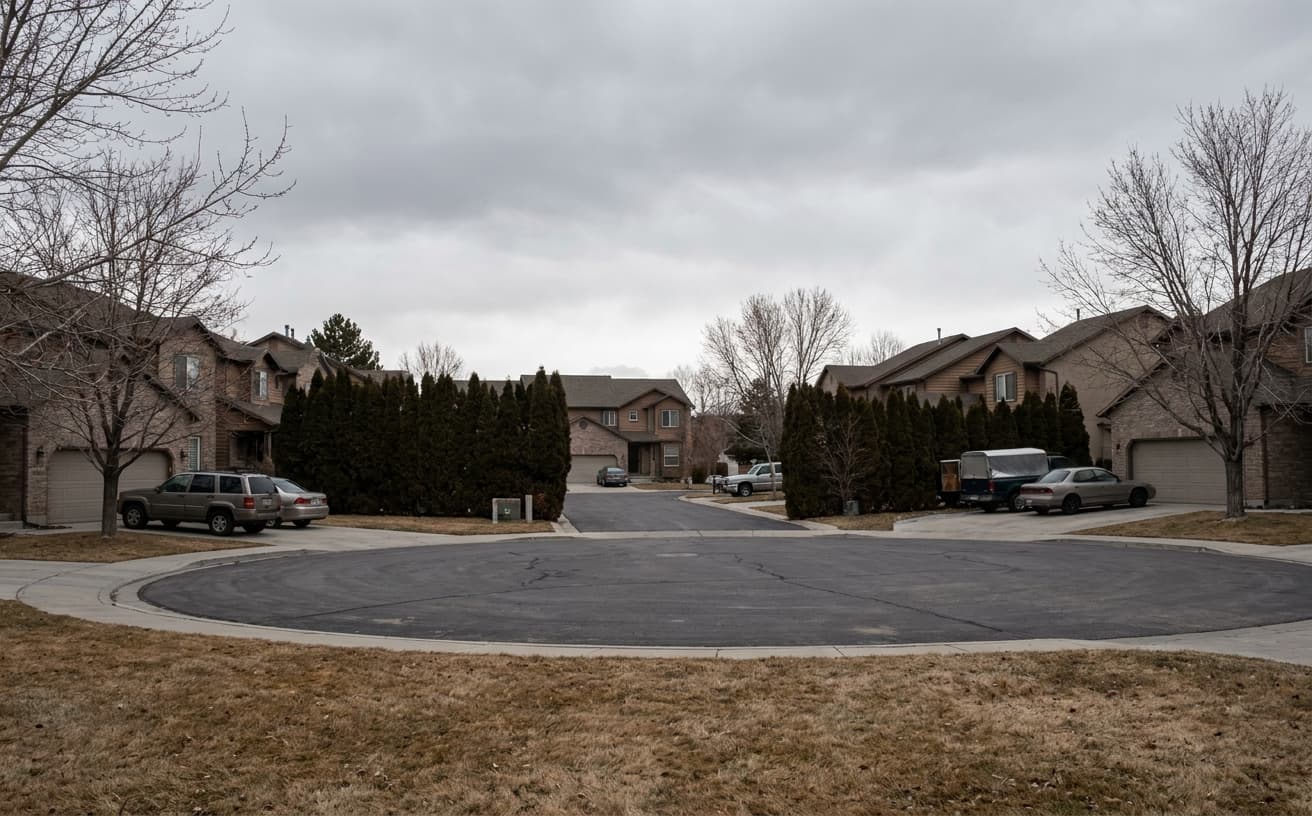
Suburban PUDs and townhome communities along the Sandy and Pepperwood corridors. Mature landscaping, established reserves, steady demographics.
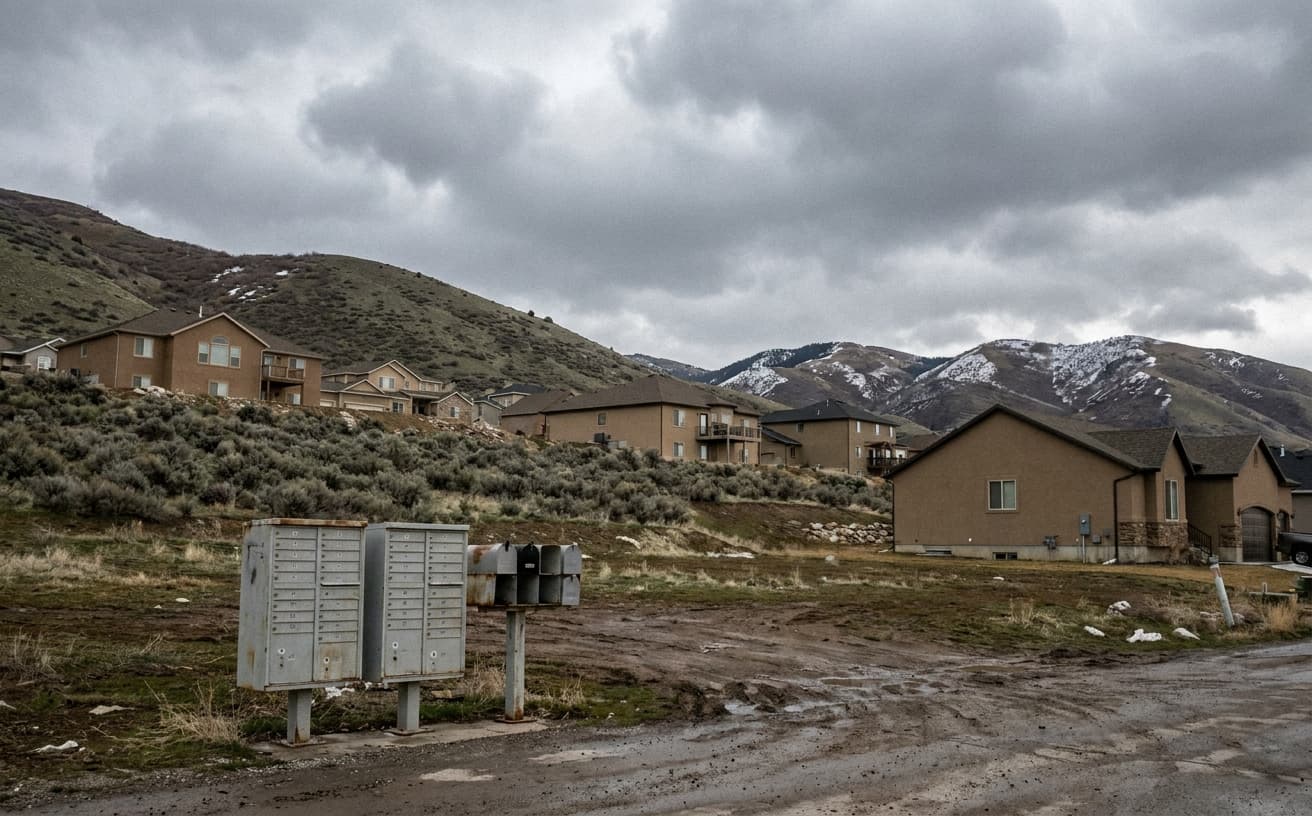
Newer master-planned subdivisions on the south end. Hillside drainage, foothill access, communities still in their first reserve cycle.
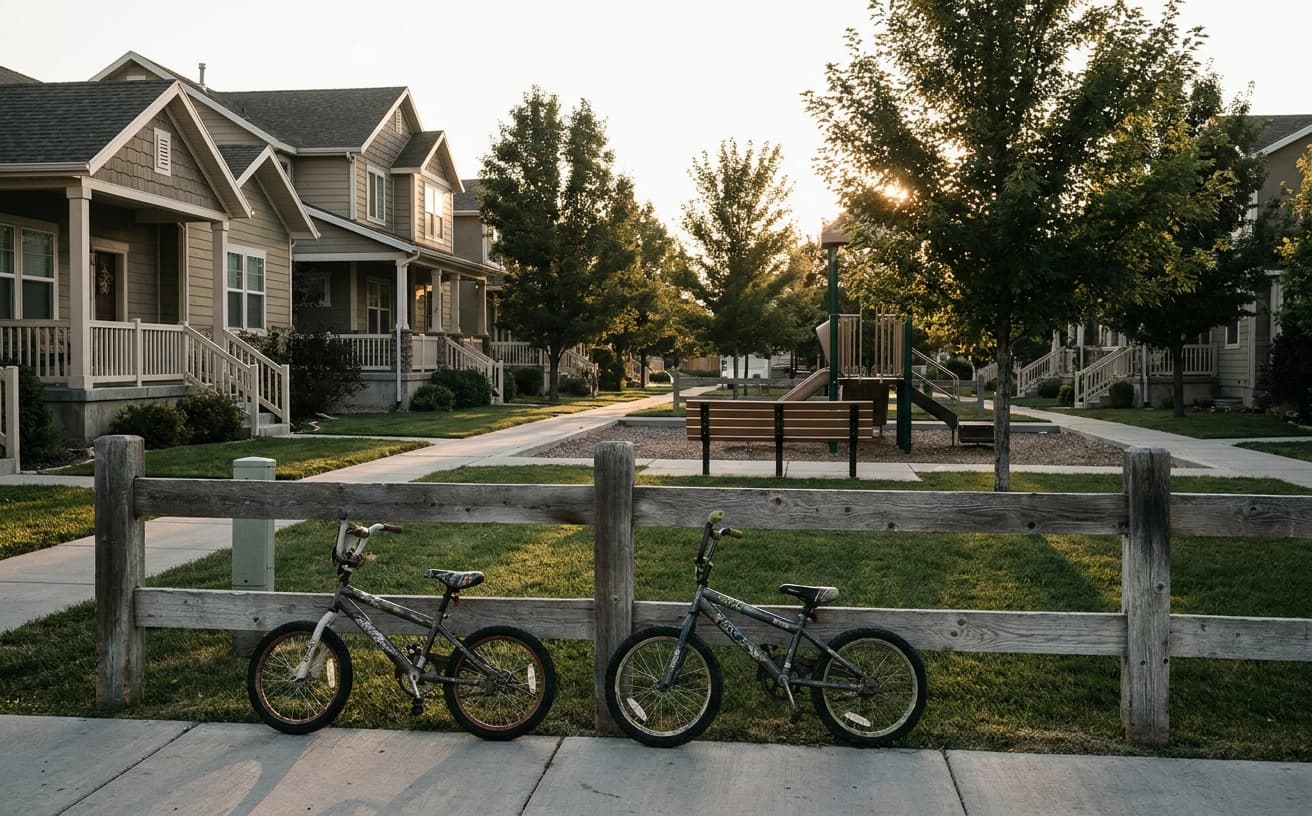
Sub-association structure under a master HOA. Dual-layer dues, shared common areas, growing rapidly through 2030.
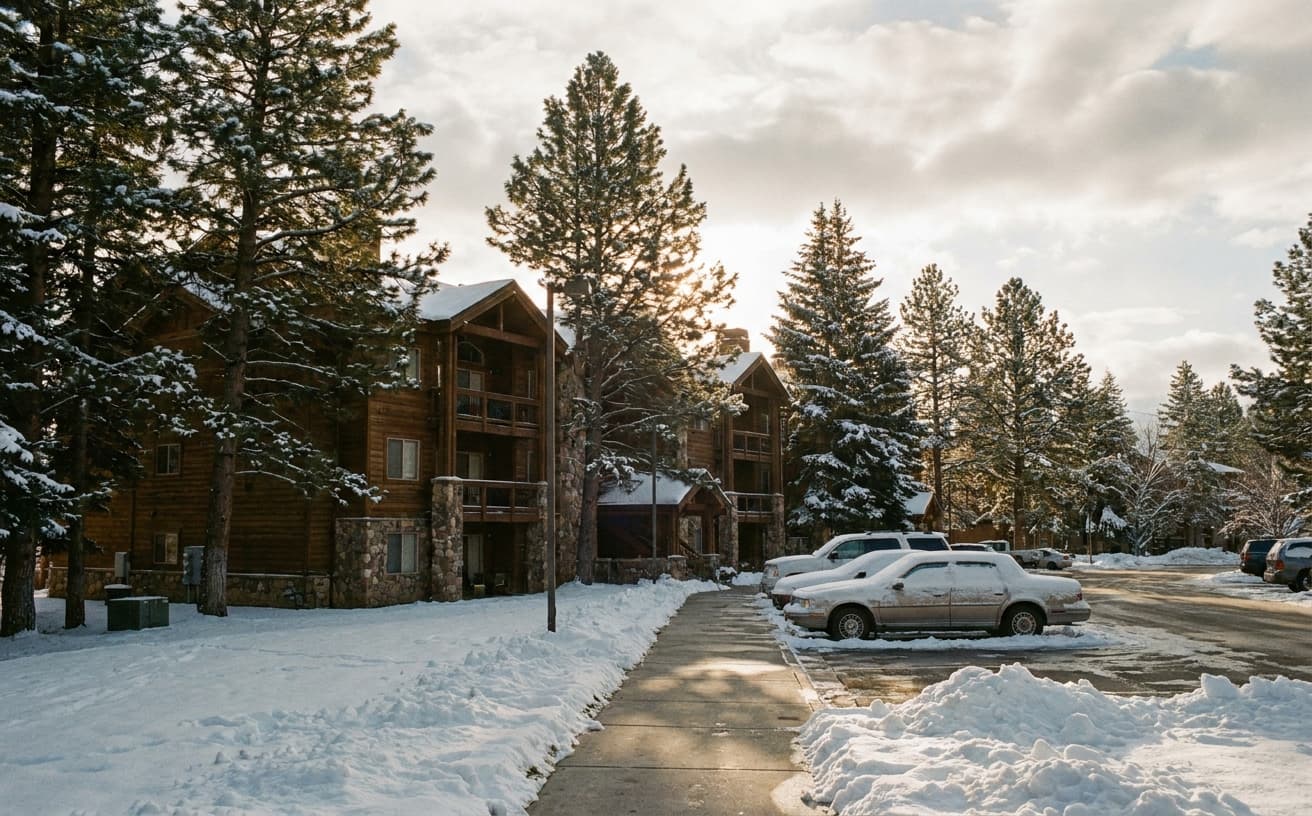
Our home base. Mid-density PUDs, condos near the canyon mouths, communities with serious snow load and slope-stability budgets.
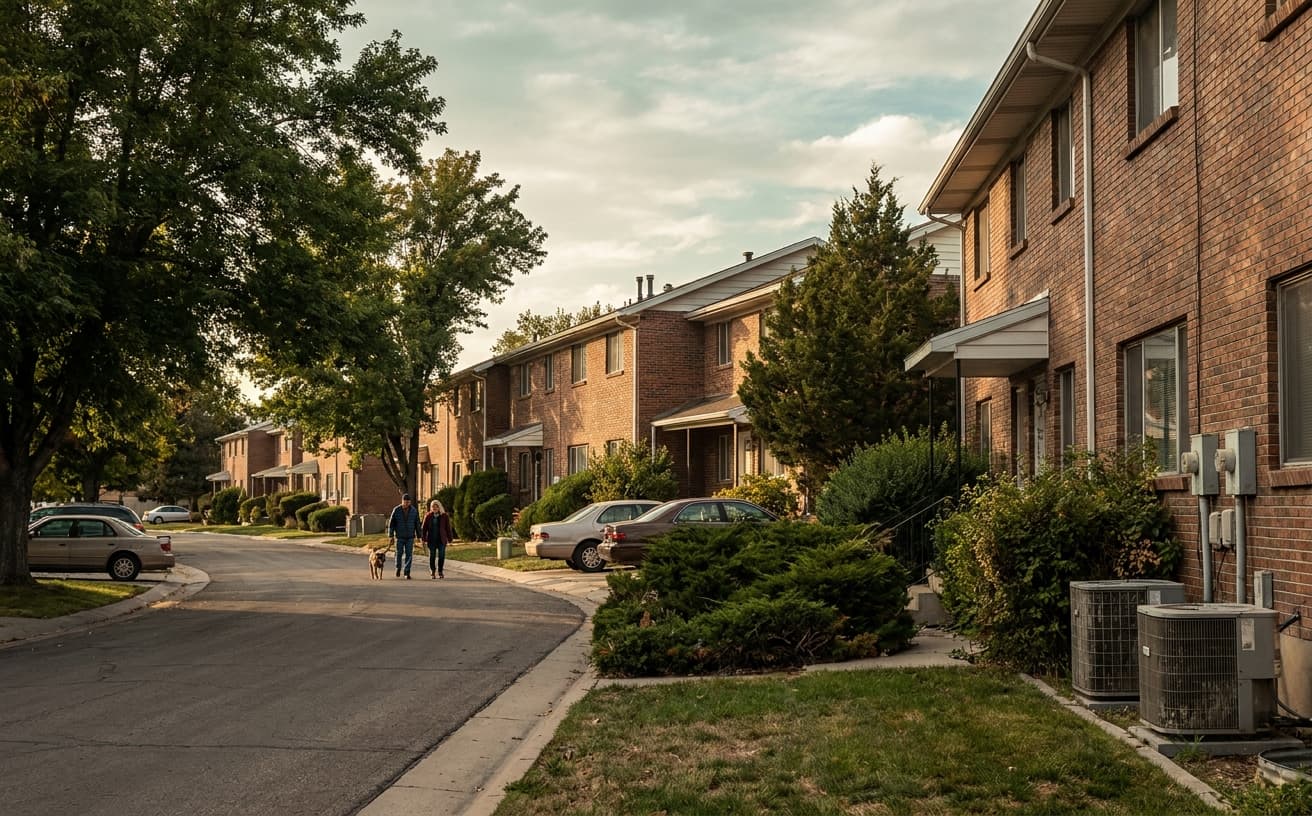
Established mid-valley communities, a mix of condo and townhome configurations, generally well-funded but aging infrastructure.
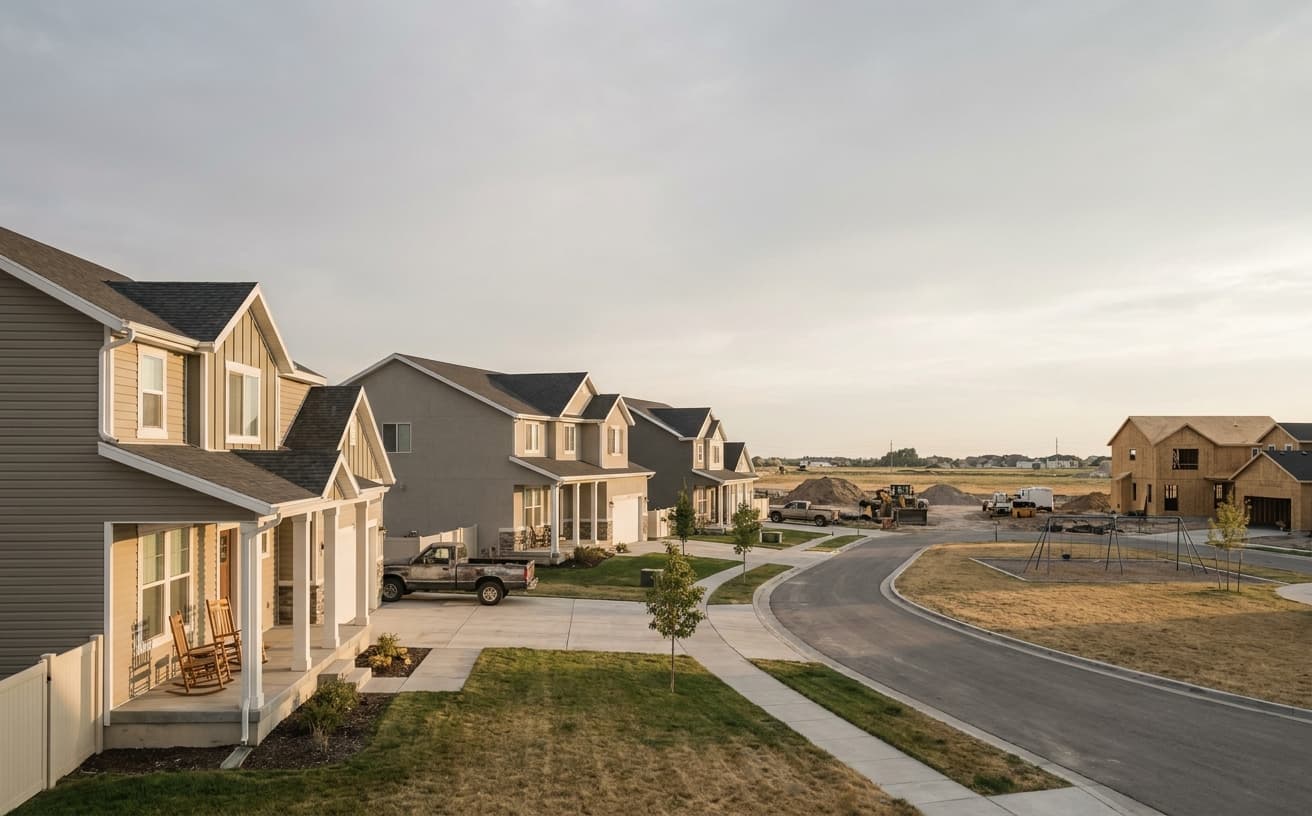
South-valley growth corridor. Newer construction, larger lots, the kind of communities still finalizing their initial governance documents.
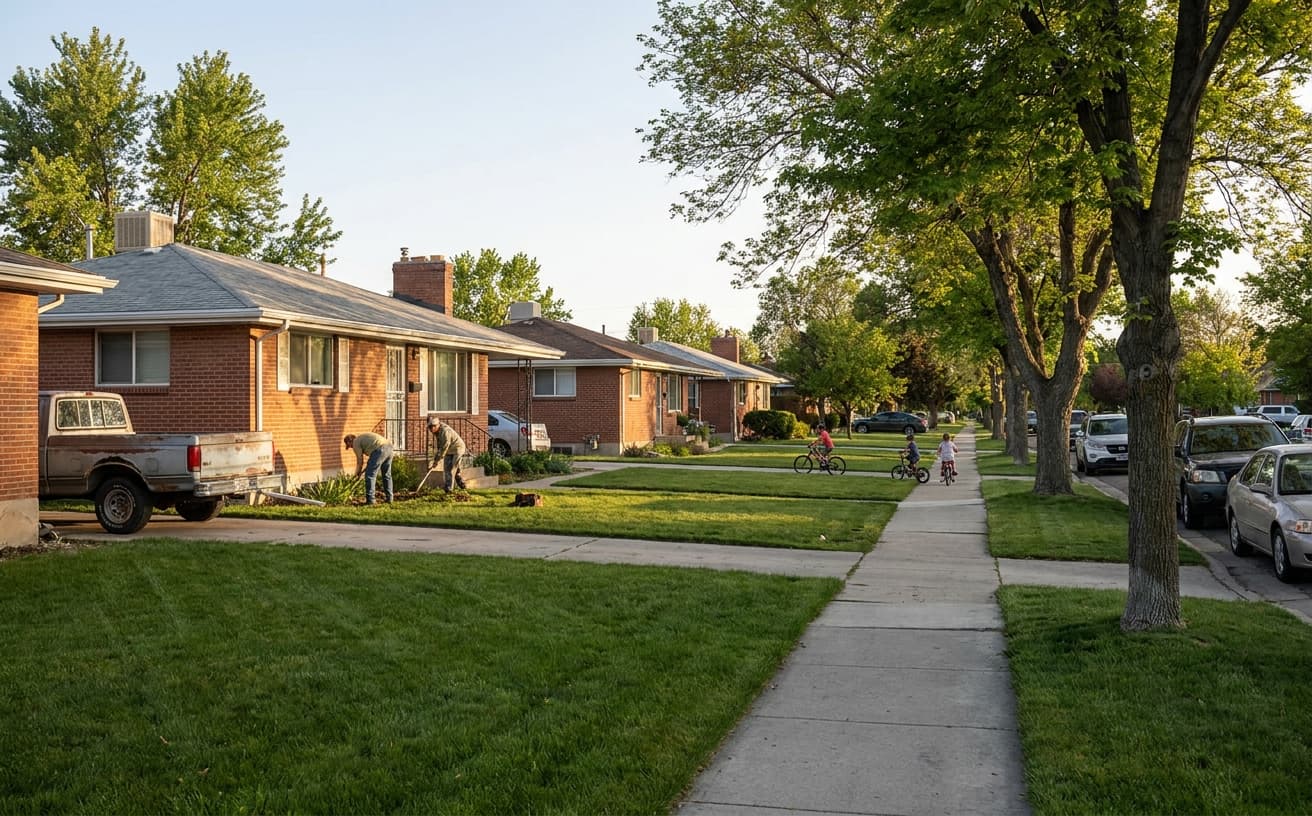
Mid-valley neighborhoods with a mix of single-family HOAs and townhome communities. Cost-sensitive boards, practical priorities.
Don't see your city? We serve the entire Wasatch Front and take on associations across Salt Lake, Davis, and Utah counties. The valley boundaries above are where we work most days; the others we drive to.
Most associations need full-service management. A few — usually self-managed boards with a strong volunteer treasurer — only need the financial backbone. Here's the difference.
Everything an HOA needs: financial management, vendor oversight, homeowner communication, board support, monthly reporting, document control, annual budget process, architectural review handling. The board sets direction; we run the operation.
Quoted per community
Full Standard scope →Professional financial management for self-managed boards. Monthly close, dues collection, vendor payments, financial reporting, annual budget support, and the same compliance discipline as full-service — without the operations layer. Right when the volunteer treasurer is the bottleneck.
Quoted per community
Full Financial scope →Three of the questions Salt Lake Valley boards ask us most often, written up at the level of detail that's actually useful in a board meeting.
A diagnostic walkthrough for Salt Lake City boards: how to read your reserve study, calculate the funding gap, and decide between dues increases and a special assessment. Utah-specific cost context.
Read the diagnostic →Delinquency math from the inside: what 8% behind looks like in cash flow terms, when a lien is the right call, and how Salt Lake Valley boards can keep collection moving without driving residents into court.
Read the breakdown →Honest pricing reference for Utah boards. What full-service management actually runs per door per month, how to read a proposal, and the questions that separate a real quote from a teaser rate.
Read the pricing guide →A conversation with Marc takes 30 minutes. You'll leave with a clear picture of how Core HOA would serve your community.